
 Photoshop
 Maya
Maya ZBrush
 Houdini
 Substance Painter
 Blender
 Arnold
 Nuke
Nuke KeyShot
 V-Ray
V-Ray Marvelous Designer
 Mari
Mari Marmoset Toolbag
 Substance Designer
 3ds Max
 Redshift
 3D Coat
 Lightroom
 Faceform Wrap
 After Effects
 Octane Render
 Speed Tree
 Daz3D
Daz3D Reality Capture
 Agisoft Metashape
 Modo
Modo Fusion
 Gravity Sketch
 Gaea
Gaea Premiere
 Cinema 4D
 Procreate
 Katana
 Quixel DDO
 Mudbox
 Mixamo
 SketchBook Pro
 SketchUp
 Adobe Medium
 Clip Studio Paint
 Natron
 Quixel Bridge
 Quixel Megascans
 Quixel Mixer
 Substance 3D Modeler
 World Creator
 Yeti
Yeti Ziva VFX
 Massive
 Materialize
 TreeIt
 Ornatrix
 PreForm
 SynthEyes
 Corel Painter
 QuickTime
 StoryboardPro
 xNormal
 animBot
 Unity
Unity ReCap
ReCap MeshMixer
 Gaffer
 DaVinci Resolve
 World Machine
 Krita
Krita









13 Lessons
Miguel Martinez opens this workshop with a quick overview and introduction, establishing himself as a seasoned concept artist as well as an animator. His process demonstrates that successful concept art isn't just about drawing skill—it requires understanding client needs, thorough research, and systematic refinement through multiple stages. His methodology, refined over two decades working on AAA game titles, offers a practical roadmap for aspiring concept artists to develop disciplined, client-focused creative processes.
Duration: 2m 20s

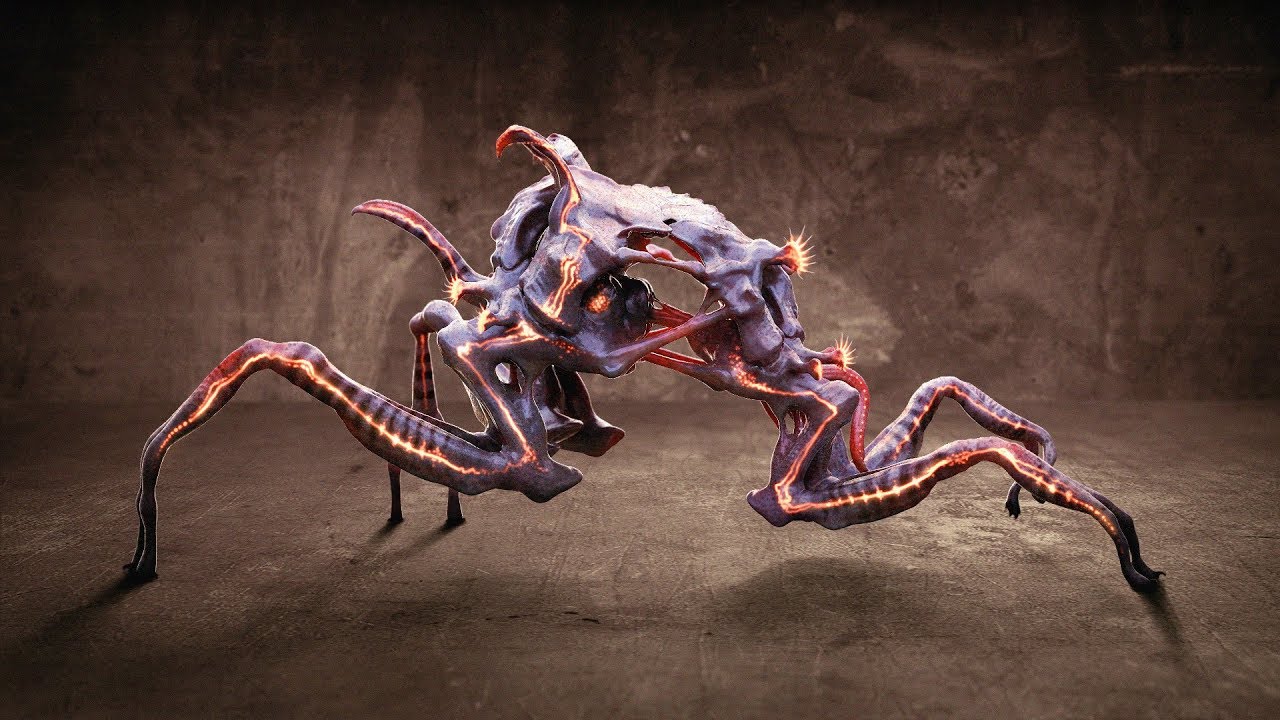
In this lesson, Miguel highlights the importance of thoroughly analyzing the initial brief. He demonstrates professional judgment by finding ways to add unique value while respecting client needs, moving beyond the obvious “dragon” solution to create a more intriguing creature that blends biological and mechanical elements. By communicating and clarifying ideas early, designers can deliver innovative work that meets the brief while standing out creatively.
Duration: 2m 50s

This lesson looks at the reference gathering phase. By exploring both literal interpretations and unexpected connections between references, (from blades to sea creatures to mechanical parts) designers can build a rich visual vocabulary that informs creative solutions.
Duration: 4m 33s

In this lesson, Miguel begins his concept design by sketching out thumbnails. By freely combining mechanical and organic elements directly from his references, while focusing on strong silhouettes and contrasting body shapes, he builds toward a unique creature design that feels both massive and alien.
Duration: 3m 54s

In this lesson, Miguel demonstrates the iterative nature of concept design, showing the importance of working loosely in the early stages while balancing aesthetic goals. He highlights how testing designs in context, whether environmental or player-focused, can reveal misalignments with the project's vision, even for promising ideas. Maintaining flexibility and being willing to pivot when a design isn’t working is key to creating successful concept art.
Duration: 4m 9s

In this lesson, Miguel looks at ways he can improve his robotic creature design based on revisions in the last lesson. By working with silhouettes and visual elements, he establishes a cohesive visual style through reusable shape elements, while maintaining flexibility to iterate quickly. Beginning with 2D sketching helps preserve creative freshness and enables designers to explore ideas more freely.
Duration: 6m 40s

In this lesson, Miguel showcases a fluid, intuitive approach to digital environment painting using creative exploration and photobashing techniques. He demonstrates how a successful composition can come from building strong foundational elements (color palette, lighting coherence, layered construction) while still remaining flexible enough to discover unexpected solutions.
Duration: 17m 20s

In this lesson, Miguel focuses on enhancing the dynamic presence of the robotic creature. He shows how working intuitively with simple shapes can inspire creative ideas, while disciplined attention management ensures the final image clearly communicates the concept described in the brief.
Duration: 18m 36s

In this lesson, Miguel demonstrates how to balance client specifications with creative interpretation. By leaving certain elements open-ended and planning for a smooth transition to 3D modeling, he shows that concept art is a starting point for collaboration and further development, rather than a final statement. The finished piece effectively communicates mood, narrative, and design intent while leaving room for imagination and future iteration.
Duration: 11m 36s

In this lesson, Miguel works on translating his 2D sketch into a 3D mockup utilizing ZBrush. The rapid prototyping approach shown here, working quickly with basic shapes to prove functionality before adding detail, is an efficient workflow that maintains creative freedom while addressing practical concerns that arise during production.
Duration: 25m 34s

In this lesson, Miguel continues developing his 3D mockup. He works loosely on details at this stage to preserve creative flexibility while defining the creature's overall form. Miguel emphasizes that storytelling during the design process, for instance, imagining oneself as both creator and adversary, helps produce thoughtful, cohesive designs that feel purposeful, rather than purely decorative.
Duration: 18m 49s

In this lesson, Miguel shows how to create a functional proof-of-concept that translates 2D artwork into 3D while preserving the original design's integrity and leaving room for refinement. His approach emphasizes understanding movement, structure, and purpose at every stage before committing to final details.
Duration: 15m 1s

In this final lesson, Miguel presents the finished renders of his ZBrush mockup in Keyshot. He emphasizes that modern creature design requires balancing artistic vision with practical functionality, and that a designer's role goes beyond creating visually appealing concepts to ensuring designs can be implemented and perform realistically in production.
Duration: 2m 27s

Primary tools
For this workshop you’ll need:


Skills Covered
Who’s this Workshop for?
This workshop is designed for intermediate 3D artists and aspiring concept artists who want to refine their creative process. It's perfect for artists with basic Photoshop and ZBrush knowledge seeking a structured approach to developing compelling compositions and interesting creature designs, starting from initial concept to final digital painting.
Miguel's systematic methodology allows viewers access to critical design thinking skills that’ll show them professional workflows used in the entertainment industry. This makes these workshop lessons an essential learning tool for anyone pursuing concept art careers, along with those who want to push their 3D renders to a new level of polish.
Learning Outcomes
By completing this workshop, artists will have developed a comprehensive understanding of professional concept art workflows and critical design evaluation techniques.
Key skills include:
- How to research and gather effective visual references for concept development projects.
- How to generate multiple creative ideas through structured brainstorming and ideation techniques.
- How to transform initial concepts into refined digital paintings using Adobe Photoshop.
- How to use ZBrush for conceptualizing ideas, prioritizing speed, function, and silhouette.
- How to develop critical design sense for evaluating composition, form, and visual impact.
- How to work within specific narrative and visual constraints while maintaining creative freedom.
- How to apply professional concept art workflows from imagination to final polished design.


