 Photoshop
 Maya
Maya ZBrush
 Houdini
 Substance Painter
 Blender
 Arnold
 Nuke
Nuke KeyShot
 V-Ray
V-Ray Marvelous Designer
 Mari
Mari Marmoset Toolbag
 Substance Designer
 3ds Max
 Redshift
 3D Coat
 Lightroom
 Faceform Wrap
 After Effects
 Octane Render
 Speed Tree
 Daz3D
Daz3D Reality Capture
 Agisoft Metashape
 Modo
Modo Fusion
 Gravity Sketch
 Gaea
Gaea Premiere
 Cinema 4D
 Procreate
 Katana
 Quixel DDO
 Mudbox
 Mixamo
 SketchBook Pro
 SketchUp
 Adobe Medium
 Clip Studio Paint
 Natron
 Quixel Bridge
 Quixel Megascans
 Quixel Mixer
 Substance 3D Modeler
 World Creator
 Yeti
Yeti Ziva VFX
 Massive
 Materialize
 TreeIt
 Ornatrix
 PreForm
 SynthEyes
 Corel Painter
 QuickTime
 StoryboardPro
 xNormal
 animBot
 Unity
Unity ReCap
ReCap MeshMixer
 Gaffer
 DaVinci Resolve
 World Machine
 Krita
Krita
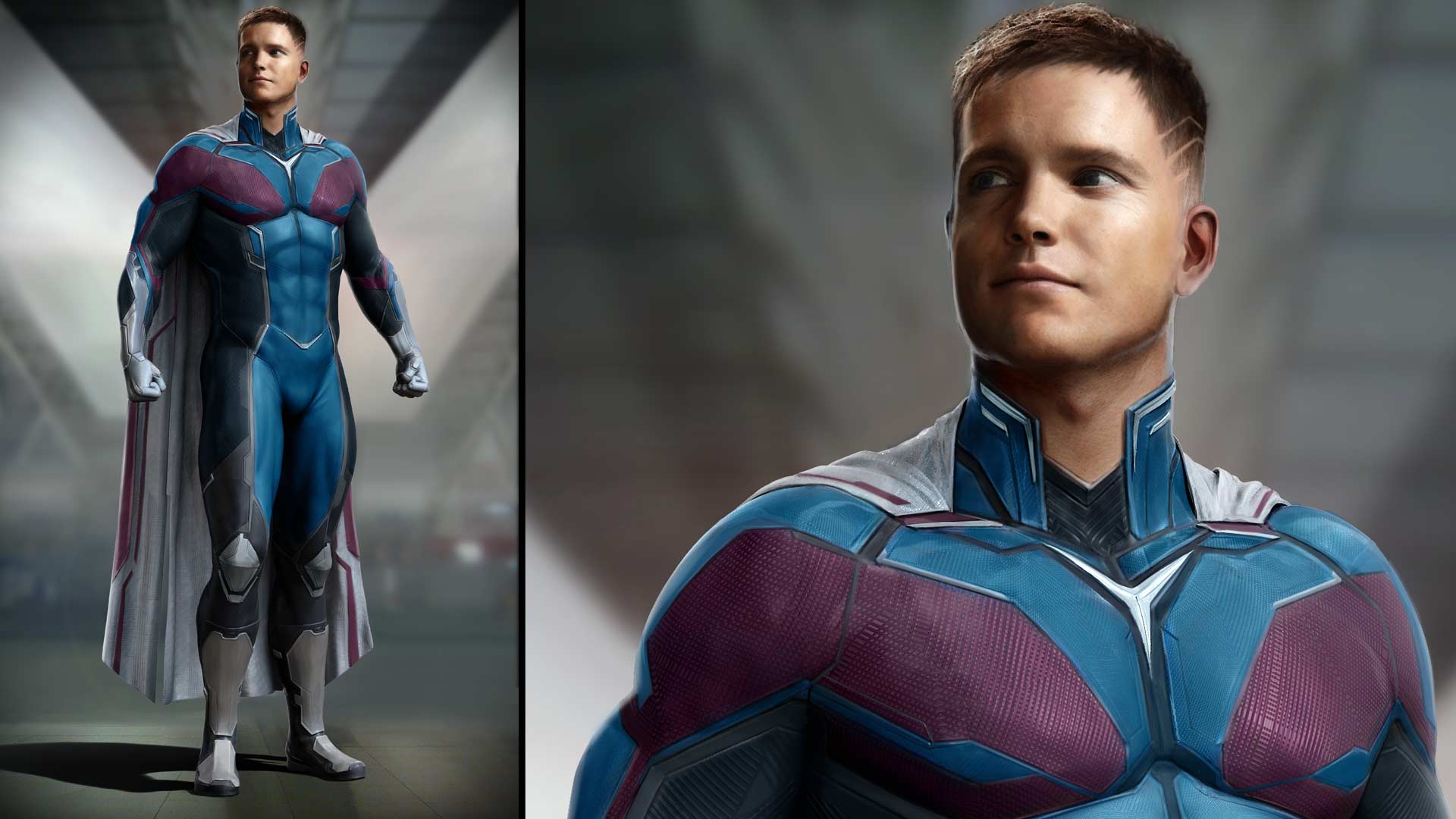
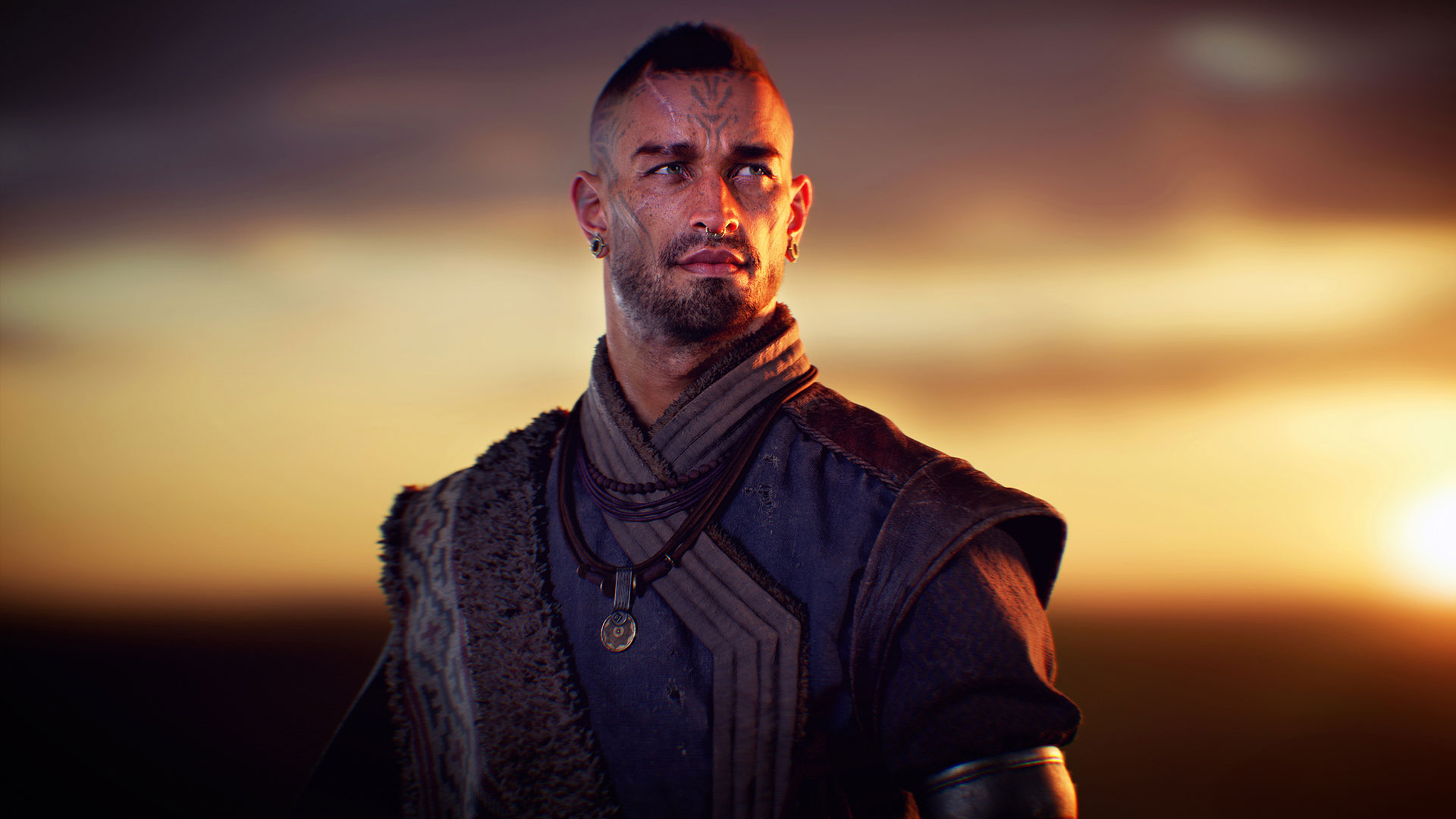









Blendshapes and photogrammetry data are two very important elements when creating realistic human facial rigs in 3D. Instructor Adam Spring, Facial Modeler at Blur Studio, covers all the essential aspects of capturing FACS scans and processing the data into isolated blendshapes. He then looks at how these blendshapes can be used within a FACS based facial rig.
In this tutorial, you will explore how to capture scanned facial expressions and process that data into isolated blendshapes. You will learn how these facial shapes can be used to create a FACS-based facial rig, and will take a look at integrating expression texture maps into a facial rig, which will be dynamically driven by the isolated facial shapes.
Adam begins by covering how to capture and process multiple FACS scans with a single camera. For this exercise, he uses a DSLR and processes the data in Agisoft Metashape. The focus then shifts to wrapping and cleaning up the scan data before moving onto the final stage of the workshop: Creating a Blendshape Rig & Dynamic Shader in Maya. During this chapter he focuses on how to integrate the FACS scans into a facial rig, by isolating different areas of the scans in ZBrush to create multiple blendshapes that can then be imported into Maya. He then demonstrates the fundamentals of blendshape rigging and explores a simple approach to linking dynamically driven skin textures to achieve even more realism.
This workshop aims to teach all the necessary skills you need to create FACS-based blendshapes that can be used in any facial rig for either a games or visual effects pipeline.
13 Lessons
Adam Spring introduces his comprehensive workshop, which demonstrates how photogrammetry can streamline the traditionally labor-intensive process of creating facial blendshapes. By combining scientific facial analysis (FACS) with modern capture techniques and specialized software, artists can achieve highly realistic facial animation rigs. Adam's approach offers significant time savings over manual sculpting while maintaining anatomical accuracy, though it requires careful attention to capture quality and consistent subject performance throughout the photography process.
Duration: 14m 19s

This lesson demonstrates the essential Lightroom preprocessing workflow for 3D-scanning photography. Adam's systematic approach to batch-processing multiple photo sets with consistent settings ensures uniformity across all captures, which is crucial for successful 3D reconstruction. His emphasis on proper file organization and TIFF export preparation sets up an efficient pipeline for the subsequent Agisoft photogrammetry processing stage.
Duration: 5m 3s

This lesson demonstrates a complete batch-processing workflow for creating multiple 3D facial scans from photographs. While single-camera photogrammetry can produce good results for small scan quantities, it requires significant manual intervention between automated processes and may result in varying quality levels. Adam's workflow provides a solid foundation for creating 3D scan data, which will be further optimized in software such as ZBrush; however, artists should always expect to address some noise and artifacts in post-processing, depending on the original capture conditions.
Duration: 23m 27s

This lesson establishes an efficient pipeline for cleaning and optimizing raw 3D facial scan data, making it more manageable for downstream applications. By systematically removing unnecessary geometry, reducing file sizes while preserving important detail, and creating multiple texture variants, the process prepares the scans for rigid alignment in Maya. Adam's emphasis on batch processing and automation tools demonstrates professional practices for efficiently handling multiple high-resolution 3D assets.
Duration: 13m 25s

Proper rigid alignment of head scans is described as "the secret behind the magic" of successful facial rigging and blendshape creation. While this process can be time-consuming and requires anatomical knowledge, it's absolutely critical for preventing broken facial anatomy in the final rig. This lesson demonstrates that even challenging, artifact-heavy scans can be successfully aligned with patience and an understanding of facial structure, laying the foundation for clean topology wrapping in subsequent stages.
Duration: 24m 40s

This lesson demonstrates an efficient pipeline for processing facial scans from raw data to production-ready assets. Adam's workflow emphasizes the importance of using quality base meshes and selective photo usage to achieve optimal results. Once the neutral expression is properly cleaned up, it serves as the foundation for wrapping and creating the full range of facial expression blendshapes needed for character animation.
Duration: 7m 55s

This lesson demonstrates a professional workflow for optical flow-wrapping that bridges photogrammetry scanning with digital sculpting. While the optical flow method provides superior accuracy for tracking facial deformations compared to traditional approaches, achieving successful results still requires careful control point placement and an understanding of facial anatomy. Adam explains why imperfect wrapping results are acceptable since final cleanup and refinement will be handled in ZBrush, making this a practical approach for creating high-quality facial animations from scan data.
Duration: 25m 16s

This lesson demonstrates that working with real-world facial scan data often requires extensive cleanup and manual sculpting work, especially when dealing with noisy or imperfect capture conditions. The key to success is combining multiple data sources (scans, photos, neutral models) and knowing when to rely on each one. While the process is time-intensive, Adam's systematic approach of selective morphing and targeted manual refinement produces high-quality results suitable for professional facial animation rigs.
Duration: 42m 7s

This lesson demonstrates advanced techniques for processing compressed facial expression scans, emphasizing the importance of methodical layering and selective detail blending. Adam shows how to overcome common challenges with extreme expressions and poor scan quality by strategically using neutral model details and topology adjustment workflows. While the final result isn't perfect, it meets this lesson's quality requirements, and Adam will cover texture transfer in the next stage.
Duration: 21m 31s

This lesson provides a systematic approach to preserving the detailed texture information from raw photogrammetry scans while applying it to geometrically cleaned and optimized models. Adam's process ensures that the organic detail and realism captured in the original scan are maintained on the improved topology, creating a foundation for further texture refinement and layering in subsequent workflow stages.
Duration: 4m 26s

Adam's texture-layering workflow showcases how to strategically combine multiple photogrammetry-captured expression maps with a neutral base to create rich, detailed character textures. The key is being highly selective about which areas to use from each expression map, focusing on clean wrinkle details while avoiding scan artifacts. The resulting layered texture provides a solid foundation for the next phase, where these color details will be converted into displacement maps to add actual geometric detail to the 3D model.
Duration: 16m 24s

Adam's technique demonstrated in this lesson provides a valuable way to extract maximum detail from photogrammetry data by leveraging high-pass filtering to isolate and enhance subtle facial features. While the results are subtle, they add an important layer of realism that will be particularly beneficial during final rendering in Maya. Adam's workflow showcases the iterative nature of his process, requiring experimentation with settings and careful attention to preserving the overall facial structure while enhancing fine details.
Duration: 11m 3s

The final lesson in Adam's workshop reveals a professional pipeline for converting raw 3D facial scans into production-ready blendshape rigs with dynamic surface detail. The combination of ZBrush's high-resolution sculpting capabilities with Maya's blendshape system creates realistic facial animation that includes both geometric deformation and corresponding changes in skin color and texture. While his workflow requires careful attention to topology and subdivision levels, the resulting system provides animators with nuanced facial controls that capture the subtle details of real human expressions.
Duration: 48m 28s

Primary tools
For this workshop you’ll need:


* Note that these programs and materials will not be supplied with the course.
Skills Covered
Who’s this Workshop for?
This workshop is designed for intermediate to advanced 3D artists, character modelers, and rigging specialists working in games or visual effects pipelines. Artists should have foundational knowledge of Maya, ZBrush, and photogrammetry workflows to maximize their learning experience.
Technical directors, facial animation specialists, and creature artists will also benefit significantly from this comprehensive training. The workshop provides essential skills for creating production-ready FACS-based facial rigs that meet industry standards for realistic human character work.
Learning Outcomes
By completing this workshop, artists will master the complete pipeline for creating professional FACS-based facial rigs using photogrammetry data and blendshape technology.
Key skills include:
- How to capture and process multiple FACS scans using DSLR cameras and Agisoft Metashape.
- How to wrap and clean up photogrammetry scan data for facial rig integration.
- How to isolate different facial areas in ZBrush to create targeted blendshape expressions.
- How to build comprehensive blendshape rigs in Maya using processed FACS scan data.
- How to integrate dynamic skin textures that respond to facial expression changes automatically.
- How to implement FACS-based facial rigs suitable for games and visual effects production pipelines.