 Photoshop
 Maya
Maya ZBrush
 Houdini
 Substance Painter
 Blender
 Arnold
 Nuke
Nuke KeyShot
 V-Ray
V-Ray Marvelous Designer
 Mari
Mari Marmoset Toolbag
 Substance Designer
 3ds Max
 Redshift
 3D Coat
 Lightroom
 Faceform Wrap
 After Effects
 Octane Render
 Speed Tree
 Daz3D
Daz3D Reality Capture
 Agisoft Metashape
 Modo
Modo Fusion
 Gravity Sketch
 Gaea
Gaea Premiere
 Cinema 4D
 Procreate
 Katana
 Quixel DDO
 Mudbox
 Mixamo
 SketchBook Pro
 SketchUp
 Adobe Medium
 Clip Studio Paint
 Natron
 Quixel Bridge
 Quixel Megascans
 Quixel Mixer
 Substance 3D Modeler
 World Creator
 Yeti
Yeti Ziva VFX
 Massive
 Materialize
 TreeIt
 Ornatrix
 PreForm
 SynthEyes
 Corel Painter
 QuickTime
 StoryboardPro
 xNormal
 animBot
 Unity
Unity ReCap
ReCap MeshMixer
 Gaffer
 DaVinci Resolve
 World Machine
 Krita
Krita
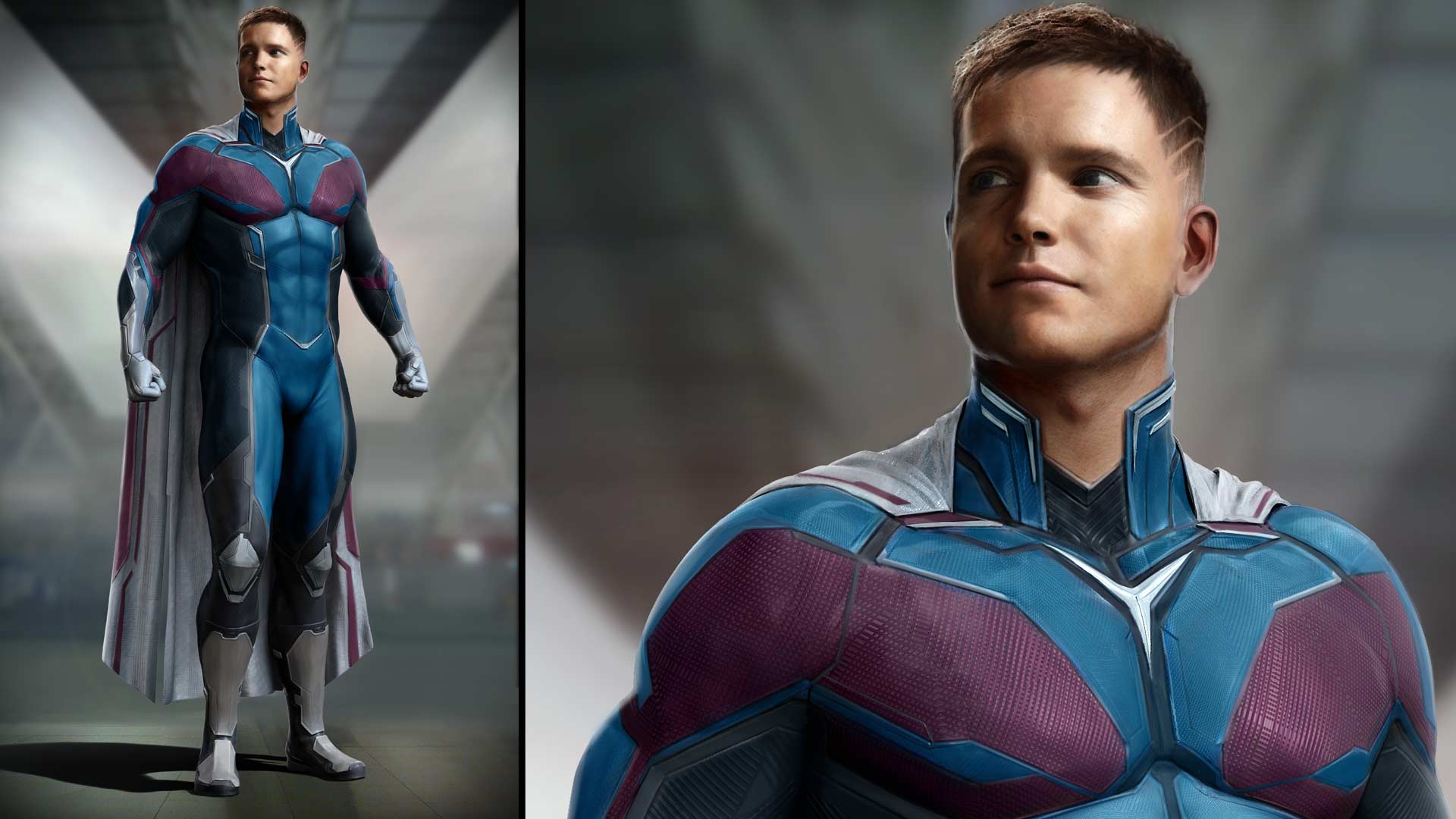
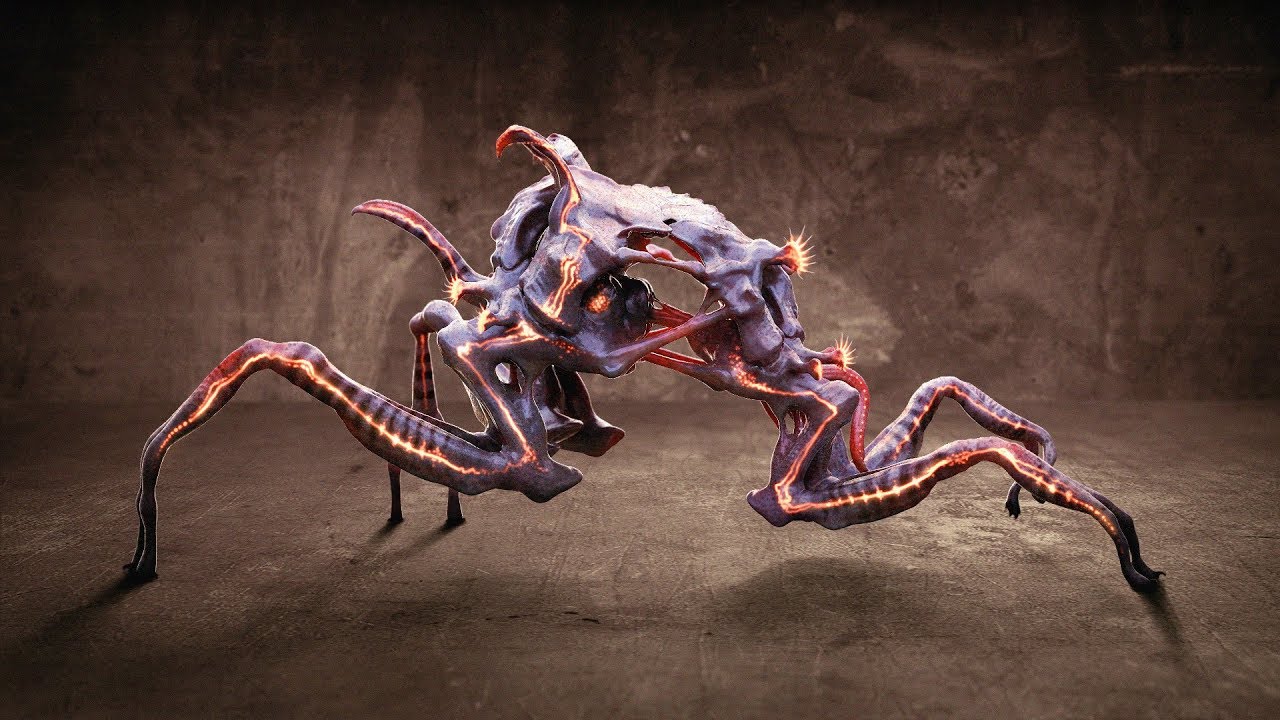
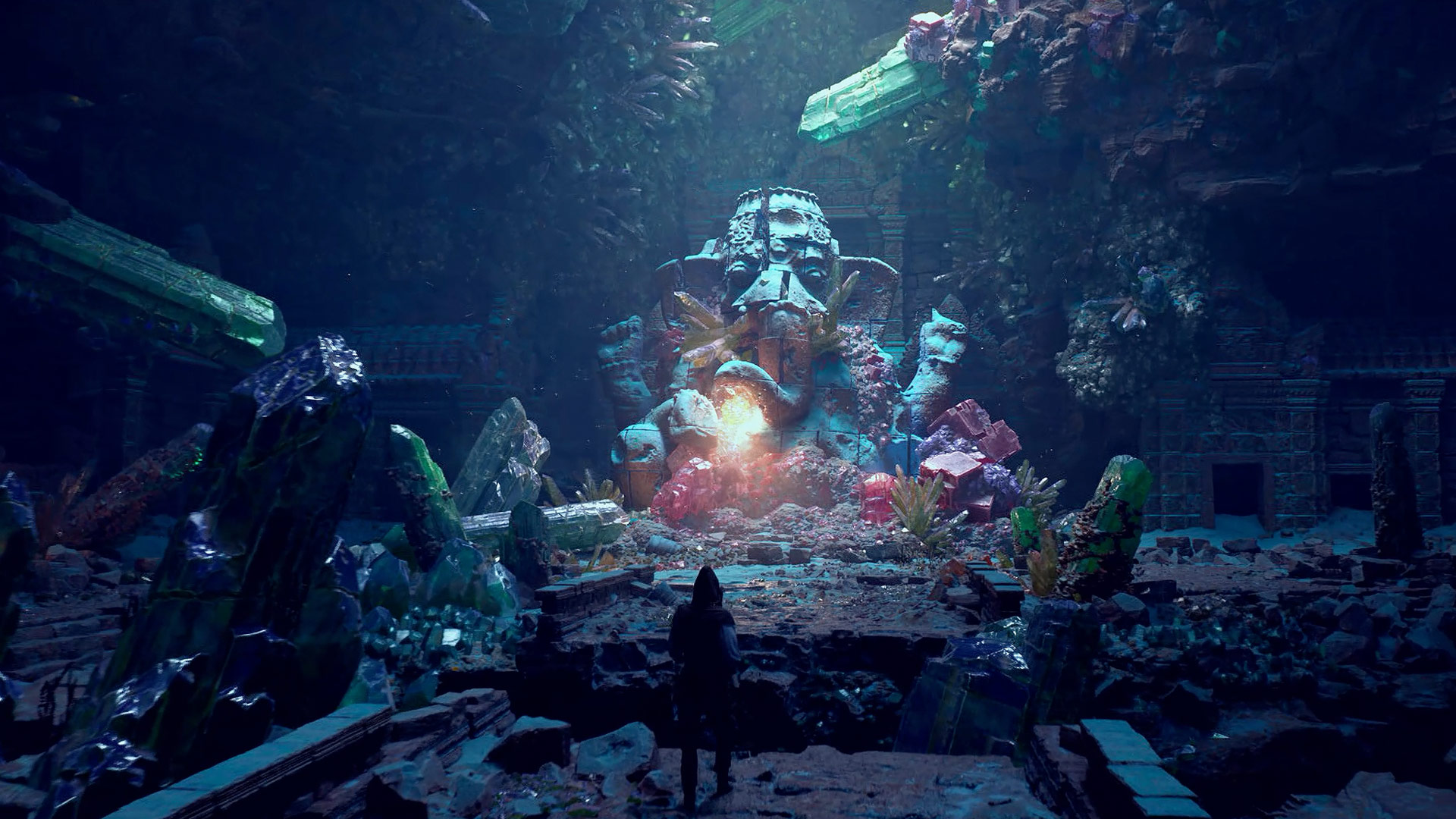
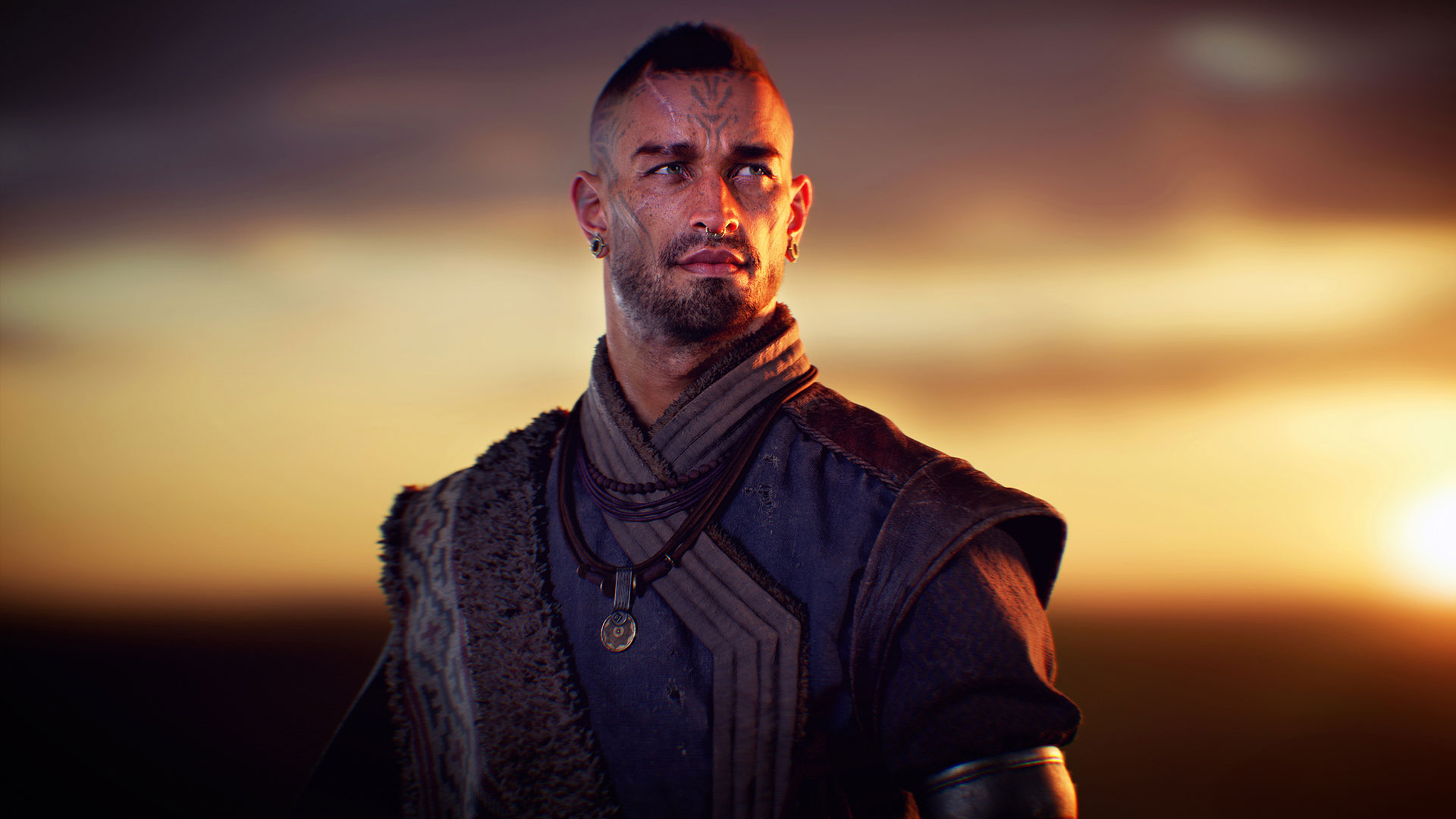







Photogrammetry has become an integral part of the 3D industry, particularly when it comes to creating digital characters for film, TV, and games. In this 5.5-hour workshop, Adam Spring, an experienced senior 3D artist and facial modeler, provides an in-depth introduction to photogrammetry, with a focus on using single-camera head scanning. The topics included in this workshop cover the principles of photography, capture kits, and shooting patterns for capturing a head scan; as well as use cases, examples, and the limitations involved.
Adam takes a guerrilla approach to capture 3D heads using single-camera head scanning. His complete process is shown before he pre-processes the resulting images in Lightroom. With this particular workflow, Agisoft Metashape is introduced to process the scan data, before the mesh cleanup work can begin in ZBrush. Adam then shares how he wraps his custom topology in ZBrush using Wrap, as well as how to remove any unwanted texture details using a combination of Photoshop and Mari. The final segment of the workshop explores how to optimize scan data to a point where it can be used for any solid character look development pipeline.
13 Lessons
Adam Spring introduces his workshop, which provides a comprehensive foundation for anyone interested in photogrammetry-based character creation, emphasizing that high-quality results are achievable with modest equipment and proper technique. Adam’s approach to professional-level digital character creation breaks down complex processes into manageable steps. The workflow he presents bridges the gap between raw photogrammetry data and production-ready assets, making this valuable technique accessible to independent artists and smaller studios alike.
Duration: 20m 29s

This lesson establishes the foundation for photogrammetry processing by demonstrating proper color correction and exposure balancing in Lightroom. While handheld scanning setups can introduce lighting challenges, Adam's systematic approach of applying custom color profiles and consistent adjustments across all images prepares the data effectively for 3D reconstruction. The organized export workflow ensures compatibility with professional photogrammetry software in subsequent processing stages.
Duration: 17m 22s

This Metashape lesson demonstrates a professional photogrammetry pipeline that transforms a set of photographs into high-quality 3D scan data. Adam's systematic approach emphasizes the importance of proper scale calibration, coordinate system setup, and quality control throughout the process. The resulting 5-million-polygon mesh with 8K textures provides a solid foundation for further refinement in Adams chosen software, Wrap 3 and ZBrush.
Duration: 25m 43s

This lesson lays the foundation for professional 3D character modeling by demonstrating essential scan-cleanup and base-mesh preparation techniques in ZBrush. The Polygrouping workflow creates a reusable system that maintains consistent facial topology across different models, enabling artists to transfer work between projects efficiently. With both the cleaned scan and properly organized base mesh prepared, the models are now ready for the crucial wrapping process that will combine the scan's detail with the base mesh's clean topology.
Duration: 34m 13s

This lesson demonstrates that, while Wrap provides powerful automated topology transfer capabilities, successful results require careful preparation and manual guidance. The combination of visual flow guides, strategic polygon exclusions, and precisely placed point pairs ensures the wrapped geometry maintains proper facial anatomy and animation-friendly edge flow. The workflow emphasizes that wrapping is just one step in the process, with manual cleanup in ZBrush being a necessary follow-up to achieve production-ready results.
Duration: 42m 25s

This lesson demonstrates the complex but essential process of refining 3D scan data in ZBrush. Adam's workflow emphasizes patience and a methodical approach, as achieving accurate facial likeness requires extensive refinement that can span multiple days in professional production. The key is establishing clean topology early, using projection techniques strategically, and understanding how different tools affect the mesh at various subdivision levels to maintain both technical quality and artistic accuracy.
Duration: 32m 23s

This lesson effectively demonstrates the iterative nature of professional 3D facial modeling, combining automated projection techniques with manual refinement. Adam emphasizes that, while scan data provides an excellent starting point and speeds up the basic structure work, significant manual sculpting and cleanup are still required for production-quality results. The techniques shown here establish a solid foundation for likeness work, though Adam explains that additional manual sculpting will be required in subsequent stages to achieve the final quality.
Duration: 33m 52s

This cleanup phase is crucial for achieving high-quality texture re-projection results. By carefully matching the cleaned geometry to the original scan before reprojection, Adam ensures the texture maps correctly onto the improved mesh with clean UVs. Once the texture is successfully reprojected, the model can be further creatively modified, but this preparatory work is essential for capturing the best possible detail from the original photogrammetry data.
Duration: 11m 26s

This lesson provides a practical workflow for transferring high-quality photogrammetry textures onto cleaned geometry while maintaining proper UV mapping and camera alignment. The process demonstrates the importance of careful camera selection and quality control checks to achieve professional results. The next step is to refine the projected texture in Photoshop to address common artifacts and projection errors that occur during the automated process.
Duration: 6m 23s

This lesson provides a solid foundation for cleaning up photogrammetry textures while maintaining the valuable details captured during scanning. Adam's workflow emphasizes preserving as much original scan data as possible rather than painting over it, since recreating realistic skin texture manually is extremely difficult. The techniques showcased represent just the first pass of cleanup, with additional refinement planned for the next lesson using Mari.
Duration: 24m 59s

This Mari-based cleanup stage represents a crucial step in the photogrammetry pipeline, enabling artists to address complex texture issues that can't be resolved in a two-dimensional UV space alone. The ability to paint directly on the 3D model while seeing real-time results makes it much easier to create seamless, natural-looking skin textures. While this lesson covers the essential cleanup needed for a good starting point, Adam emphasizes that additional refinement will likely be necessary during the look-development phase once the character is placed in final lighting and material setups.
Duration: 36m 24s

This lesson demonstrates the critical preparation steps needed to create effective displacement maps from photographic textures. Adam's process ensures that skin pores create realistic indentations while hair and eyebrows properly protrude from the surface when applied in ZBrush. Proper cleanup and layer management in Photoshop sets the foundation for achieving realistic high-frequency surface detail on 3D character models.
Duration: 12m 39s

This final lesson demonstrates a comprehensive workflow for transforming raw photogrammetry scan data into a production-ready 3D character model. The combination of technical ZBrush skills, anatomical knowledge, and layered workflow creates a solid foundation for look development while maintaining the accuracy of the original scan data. Adam explains why this is a strong first pass that minimizes feedback cycles in production environments, and how further refinement may be expected based on specific project requirements.
Duration: 55m 29s

Primary tools
For this workshop you’ll need:


* Note that these programs and materials will not be supplied with the course.
Skills Covered
Who’s this Workshop for?
This workshop is designed for intermediate to advanced 3D artists, character modelers, and facial specialists working in film, television, and gaming industries. Artists should have a basic familiarity with 3D modeling workflows and software such as ZBrush to maximize learning potential.
Technical artists, look development specialists, and production pipeline supervisors will also benefit significantly from understanding how to integrate photogrammetry. The comprehensive coverage of capture-to-delivery workflows provides valuable insights to optimize character-creation pipelines and improve production efficiency across creative teams.
Learning Outcomes
By completing this workshop, artists will have mastered the full photogrammetry pipeline, from single-camera capture to final character-ready assets for production use.
Key skills include:
- How to set up proper photography principles and capture kits for head scanning.
- How to execute effective shooting patterns for comprehensive single-camera photogrammetry capture sessions.
- How to preprocess captured images in Lightroom for optimal photogrammetry processing results.
- How to process scan data efficiently in Agisoft Metashape for high-quality mesh generation.
- How to perform mesh cleanup and custom topology wrapping workflows in ZBrush.
- How to remove unwanted texture details using combined Photoshop and Mari techniques.
- How to optimize final scan data for seamless integration into character development pipelines.